


With almost everything going digital, consumers demand faster, more flexible, and inclusive financial solutions. While many innovative means are driving this shift, one such tool is prepaid Visa cards. Whether for everyday purchases, employee incentives, gig economy payments, or customer rewards. These cards are gaining popularity for all the right reasons. They are easy to use, secure, and accessible to individuals with or without a credit status or banking history. We will learn about the use of prepaid visa cards, their benefits, and how to select the right provider.
What is a Prepaid Visa Card?
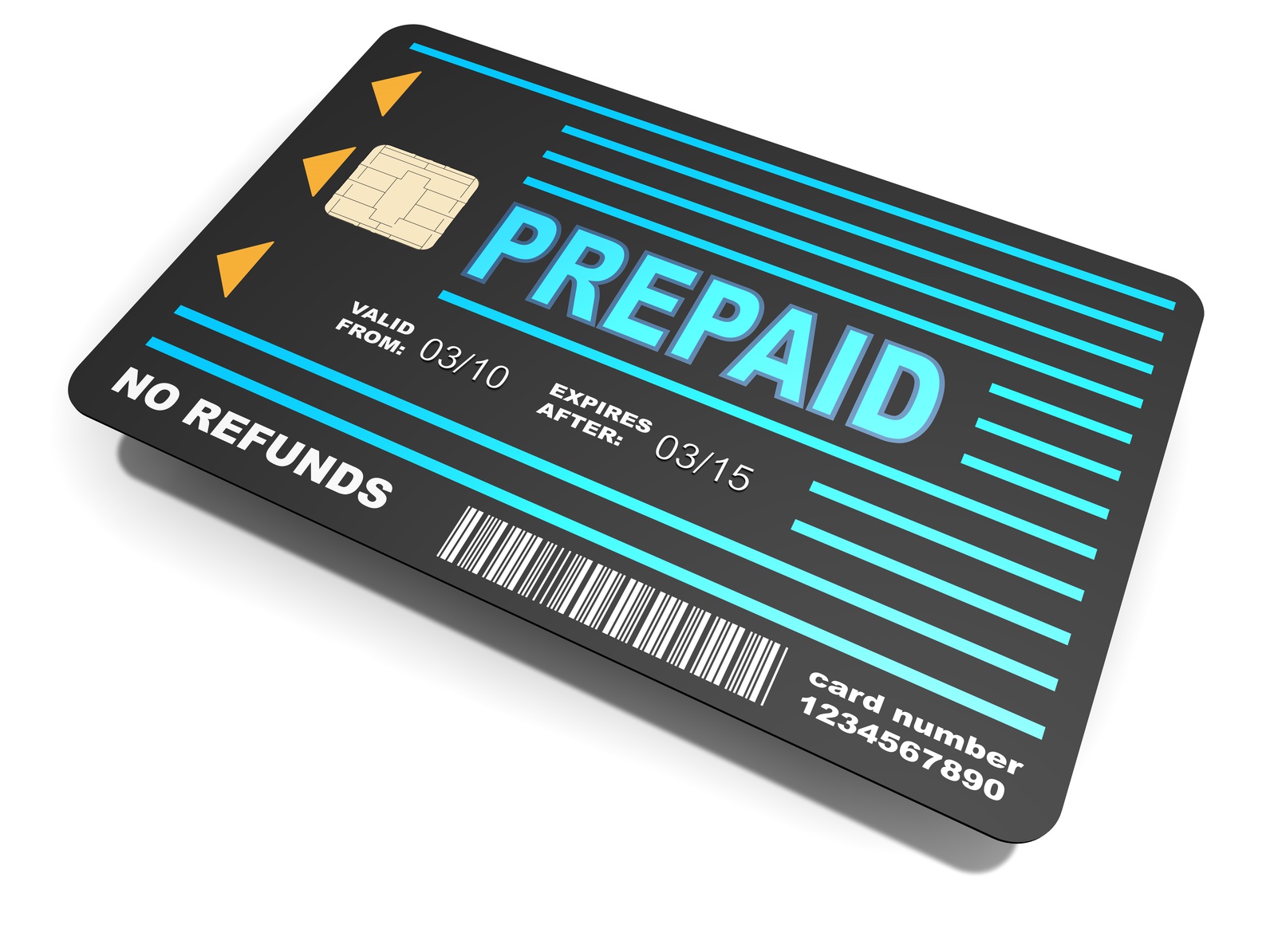
A prepaid Visa card is a reloadable or single-use payment card that is pre funded with a certain amount of money. They are, unlike new credit cards, not issued based on a credit check and a bank account. People are unable to spend more than what is already on the card; thus, it is both secure and economical compared to conventional plastic cards.
These cards operate in all places where Visa forms are used, either online or at retail stores, and are both physical and virtual, providing immediate access to money without having to wait for a bank to process or clear a check.
The Core Benefits of Prepaid Visa Cards
These prepaid visa cards have more benefits than you can imagine. Take a look at the following:
Instant Access to Funds
The most rousing and practical advantage of these cards is to provide real-time access to money. With this, employers can instantly issue cards to workers or freelancers, and enterprises can disburse tips, refunds, or stipends with just a few clicks. This can help avoid cases like delays associated with bank transfers and checks. Moreover, it also streamlines operations and improves user satisfaction.
Financial Inclusion
They offer new opportunities to the economic sector of a largely unbanked and underbanked population in the country, providing access to traditional banking services. Those who may not have a credit card due to a poor or nonexistent history can obtain and use a prepaid Visa card, which can help overcome economic barriers and inspire them to manage their finances more economically.
Budget Control and Security
Unlike credit cards, these need to be funded before spending; the user can not splurge more than the funded amount. These cards also offer fraud safety features like PIN codes, transaction signals, and card locking. This way, users can save themselves from debts and long credit bills.
Customizability and Branding
Businesses have the ability to custom-brand prepaid Visa cards, set expiration dates, set spending rules, and more. It creates value in reward schemes, where a branded card facilitates customer loyalty and provides a new boost to brand recognition.
Versatility Across Use Cases
Prepaid Visa cards have a universal application. Whether used to pay employee salaries, per diem payments, distribute government benefits, cover travel expenses, or send rebates to customers, they are a flexible payment mode that can be used in almost any scenario.
Use Cases That Highlight Their Impact
Here are some use cases that can show the impact of these prepaid visa cards:
Gig Economy Payments
Companies such as Uber, DoorDash, and Fiverr thrive on the fact that workers are paid promptly and can expect consistent payments. Prepaid Visa cards will enable a one-day, point-of-sale payout, which is essential for gig workers who value the speed of access to their earnings.
Corporate Incentives and Perks
Organizations commonly use prepaid cards for employee bonuses, holiday gifts, wellness incentives, and sales competitions. Cards are more secure and easier to trace than cash or checks. They are also customized when they are branded.
Travel and Expense Management
Companies issuing per diem or travel expenses can pre load funds onto prepaid cards. This also reduces the need for reimbursements, helping employees stay within budget during business trips.
How to Implement a Prepaid Visa Card Solution
The process to deploy this card is much easier than some might think. Here's a step-by-step guide for associations regarding this powerful means:
Step 1: Define the Use Case and Objectives
Identify how you intend to utilize the cards, payouts, promotions, payroll, or any other feature. It will help determine the right provider, card type (physical or virtual), and funding model.
Step 2: Choose a Trusted Card Issuer or Program Manager
Partner with a licensed issuer or a prepaid program manager who can provide compliant, scalable, and customizable card programs.
Look for providers that offer:
- Real-time funding capabilities
- White-labeling options
- Compliance with PCI-DSS, KYC, and AML standards
- Integration with your existing systems via API
Step 3: Design the Card Program
Customize card features such as:
- Load limits and reload options
- Expiration policies
- Spending restrictions (e.g., category-based controls)
- Branding (logos, card design, messaging)
Step 4: Onboard and Distribute
Users can be onboarded through web or mobile interfaces with minimal friction. Virtual cards can be delivered via email or app within seconds, while physical cards can be shipped with custom packaging.
Choosing the Right Prepaid Visa Card Provider
Here is how you can get the right prepaid visa card provider:
- Instant Issuance: A real-time capability to create and fund cards.
- Powerful API Integrations: Integration with payroll, CRM, ERP, or e-commerce without any problems.
- Regulatory Support: Understanding the regulatory conditions of various regions.
- Anti-fraud tools: Spending alerts, card locking, and transaction monitoring in real time.
- Superior Service: Account management, a multilingual customer service team, and training.

Conclusion
Prepaid visa cards are much simpler than you might think. The factors mentioned above show how they can be beneficial in various ways. Moreover, users can pick the right provider by following the instructions.
NymCard is leading the open banking revolution. It's making finance more open, flexible, and inclusive. For more information, visit its official website.